GeForce RTX 5070 Ti vs NVIDIA RTX 6000 Ada Generation, AI & Machine Learning Comparison
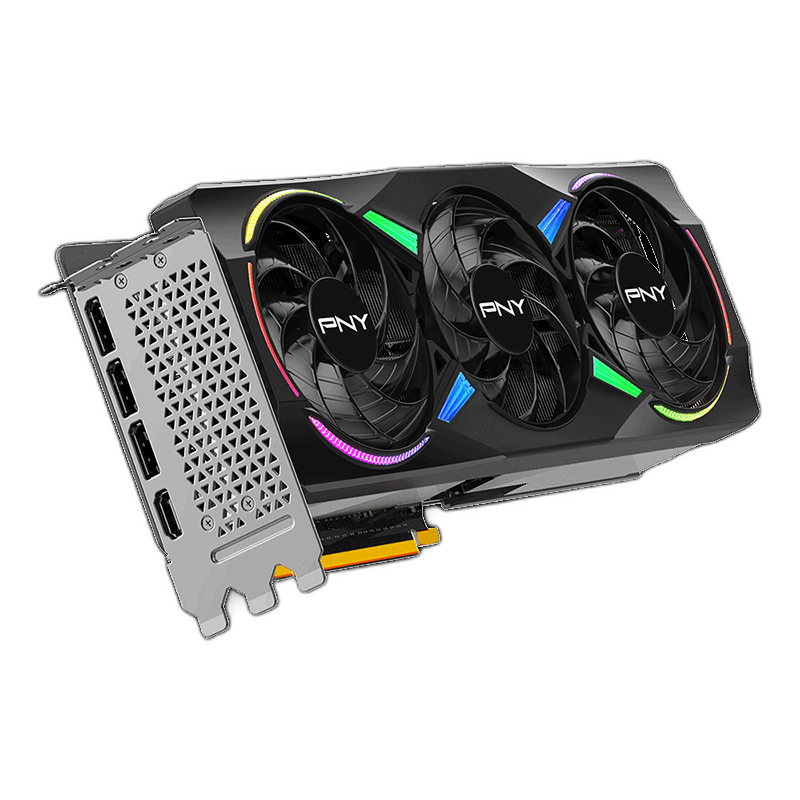
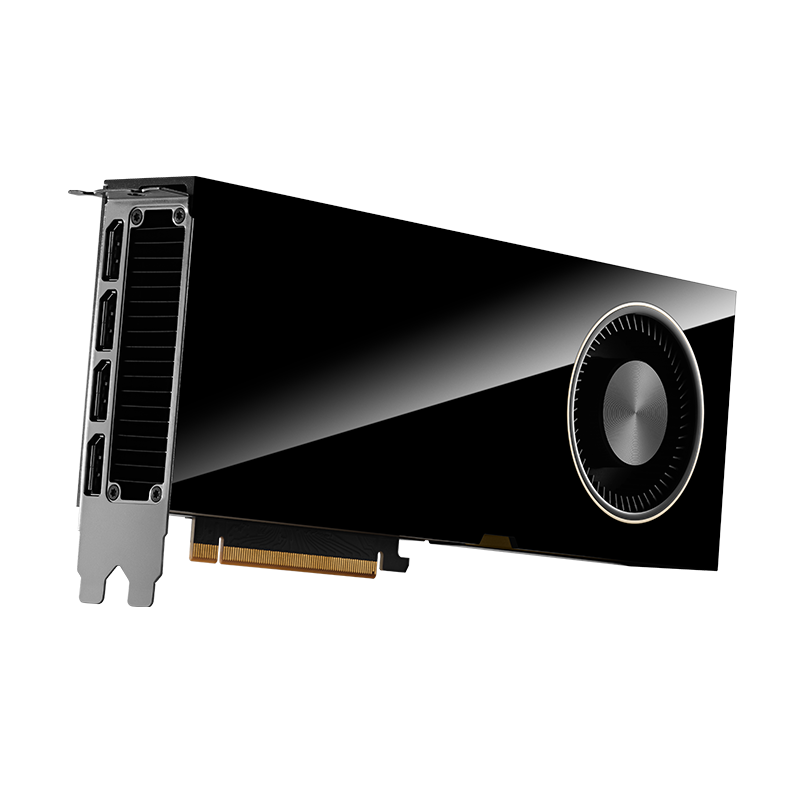
NVIDIA RTX 6000 Ada Generation wins 9 of 9 benchmarks, averaging 41.9% faster.
Both cards were measured first-party on our bench, same suite, same test rig.
What the numbers say
The gap is widest in Z-Image Turbo, where NVIDIA RTX 6000 Ada Generation leads by 183% (1.8 vs 5.1 images/min); the closest fight is Llama 3.1 8B (3% apart); VRAM decides part of this one: NVIDIA RTX 6000 Ada Generation runs 9 of our 12 AI workloads while the other card runs 6, models that don't fit score zero.
Benchmark results head-to-head
| Benchmark | GeForce RTX 5070 Ti | NVIDIA RTX 6000 Ada Generation | Difference |
|---|---|---|---|
| Qwen3 4B tok/s | 231.69 | 241.33 | -4% |
| Llama 3.1 8B tok/s | 153.23 | 157.89 | -3% |
| Qwen2.5-Coder 14B tok/s | 83.44 | 87.51 | -5% |
| Qwen3 32B tok/s | 0 | 39.87 | n/a |
| Llama 3.3 70B tok/s | 0 | 18.4 | n/a |
| Stable Diffusion XL images/min | 9.38 | 10.7 | -12% |
| Z-Image Turbo images/min | 1.8 | 5.1 | -65% |
| FLUX.1 dev images/min | 0 | 2.229 | n/a |
| FLUX.1 Kontext dev images/min | 0 | 1.029 | n/a |
Whole-job comparison
How long each card takes to finish a complete pipeline, not just one model. GeForce RTX 5070 Ti is faster on 0 of 1; NVIDIA RTX 6000 Ada Generation on 1.
| Workflow | GeForce RTX 5070 Ti | NVIDIA RTX 6000 Ada Generation | Difference |
|---|---|---|---|
| Full codebase review | 12 min | 11.4 min | NVIDIA RTX 6000 Ada Generation 1.05x faster |
Specifications compared
| GeForce RTX 5070 Ti | NVIDIA RTX 6000 Ada Generation | |
|---|---|---|
| VRAM | 16GB | 48GB |
| Architecture | Blackwell | Ada Lovelace |
| Memory bandwidth | 896 GB/s | 960 GB/s |
| Boost clock | 2,452 MHz | 2,505 MHz |
| TDP | 300 W | 300 W |
| Launch MSRP | $749 | $6,799 |
| Release | 2025-02-20 | 2022-12-03 |
FAQ
- Which is better for ai & machine learning: GeForce RTX 5070 Ti or NVIDIA RTX 6000 Ada Generation?
- NVIDIA RTX 6000 Ada Generation performs better for ai & machine learning, winning 9 of 9 benchmarks in our suite with an average 41.9% advantage.
- What are the main hardware differences between GeForce RTX 5070 Ti and NVIDIA RTX 6000 Ada Generation?
- GeForce RTX 5070 Ti has 16GB VRAM and a 300W TDP, while NVIDIA RTX 6000 Ada Generation has 48GB VRAM and a 300W TDP.
- Does VRAM matter more than speed between GeForce RTX 5070 Ti and NVIDIA RTX 6000 Ada Generation?
- For AI, yes, NVIDIA RTX 6000 Ada Generation fits 6 more of our 12 workloads than GeForce RTX 5070 Ti. A model that exceeds VRAM doesn't run slower, it doesn't run at all, so the card that fits the model wins that workload outright.
- Where is the biggest performance difference between GeForce RTX 5070 Ti and NVIDIA RTX 6000 Ada Generation?
- Z-Image Turbo: NVIDIA RTX 6000 Ada Generation leads by roughly 183% (1.8 vs 5.1 images/min) in our testing.
GeForce RTX 5070 Ti full review · NVIDIA RTX 6000 Ada Generation full review · All AI & Machine Learning rankings